

Quick answer: A magnetic contactor that will not energize, chatters, overheats or drops out may have a control-supply problem, an incorrect or damaged coil, a loose connection, mechanical wear, or an issue elsewhere in the motor starter. The correct diagnosis starts with the circuit diagram, nameplate and safe isolation—not by replacing the contactor blindly.
What does a magnetic contactor do?
A magnetic contactor is an electrically operated switch. Its control coil creates a magnetic field that pulls the contacts closed, allowing a separate power circuit to feed a motor, compressor, pump or other load. When the coil de-energizes, the contactor releases. The contactor is not a substitute for a correctly selected short-circuit protective device or motor overload protection.
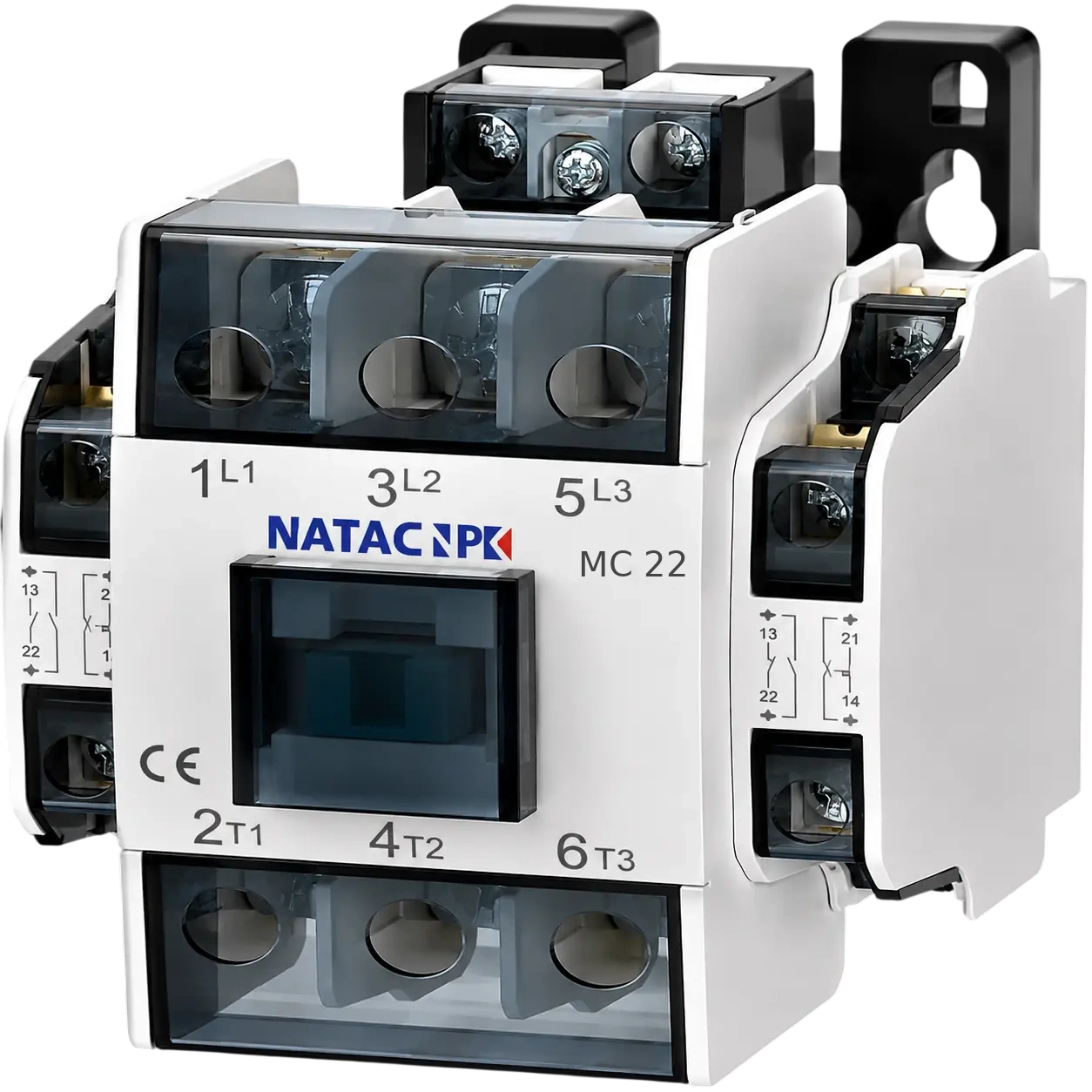
10 common magnetic contactor faults: symptoms, causes and checks
| Symptom | Possible causes | What a qualified technician should verify |
|---|---|---|
| 1. Contactor does not pull in | Missing control supply, open stop/E-stop circuit, blown control fuse, failed coil | Approved circuit diagram, control-voltage specification and upstream control path |
| 2. Contactor chatters or buzzes excessively | Low or unstable coil voltage, incorrect coil frequency, dirt or mechanical wear | Rated coil characteristics, supply quality and manufacturer service guidance |
| 3. Coil overheats | Wrong coil voltage, overvoltage, unsuitable duty, ambient heat, mechanical obstruction | Coil label, actual application, enclosure temperature and duty rating |
| 4. Contactor pulls in but motor will not start | Missing phase, open power circuit, overload trip, wiring fault or motor fault | Power path, protection status and motor starter design after safe isolation |
| 5. Contactor drops out unexpectedly | Intermittent control supply, loose terminal, protective control opening, failing auxiliary circuit | Control logic, interlocks and connections without bypassing safety devices |
| 6. Contacts look burned or pitted | Frequent switching, overload, unsuitable utilization category, poor connections | Load type, rated operational current, switching duty and replacement criteria |
| 7. Contacts weld closed | High fault current, severe inrush, incorrect protection coordination | Fault history, coordination data and upstream protective devices; replace damaged assembly as specified |
| 8. Loud impact or sticking mechanism | Mechanical wear, contamination, damaged spring or armature | Manufacturer-approved inspection and replacement recommendations |
| 9. Overload relay trips repeatedly | Motor overload, phase loss, incorrect relay setting, mechanical load problem | Motor nameplate, load condition, relay selection and protection settings |
| 10. New replacement fails quickly | Wrong coil, wrong AC-3 duty rating, inadequate coordination, enclosure heat | Full electrical specification—not merely the contactor's physical size |
Why a contactor may click but the motor does not run
A click only suggests the operating mechanism has moved; it does not establish that the motor receives a healthy three-phase supply. Problems may lie in the upstream breaker, overload relay, terminal connections, power contacts, motor cable or motor itself. A qualified technician should evaluate the complete starter and its protective coordination, not assume the coil is the problem.
Contactor chattering vs normal operating sound
A brief click during switching is normal. Repeated rapid engagement/disengagement is not. Chattering can accelerate contact wear and create heat. Supply fluctuations, a mismatched AC coil frequency, worn components and control-circuit instability are possible contributors. Disconnect and investigate the cause before returning equipment to service.
When should you replace a magnetic contactor?
Replacement may be appropriate when a manufacturer-defined wear limit is reached, the coil is irreparably damaged, contacts have welded, insulation is compromised, or the mechanism no longer operates reliably. Some designs allow approved replacement parts; others require a complete unit. Follow the manufacturer's guidance and have a qualified professional verify the fault cause before installing a replacement.
How to choose a replacement magnetic contactor in Pakistan
Before requesting a quote, record the following details from the existing unit, motor nameplate and panel drawings:
- Coil voltage and type: AC or DC, rated voltage and frequency, if applicable.
- Load type and utilization category: motor duty such as AC-3 differs from resistive-load ratings.
- Rated operational current and voltage: match the application and relevant manufacturer tables.
- Motor power and starting method: direct-on-line, reversing, star-delta or other configuration.
- Main and auxiliary contacts: required pole count and NO/NC auxiliary arrangements.
- Coordination and protection: compatibility with the overload relay and short-circuit protective device.
- Environment and installation: enclosure temperature, mounting, terminal capacity and operating frequency.
Explore Shenzhen Nata MC-series magnetic contactors
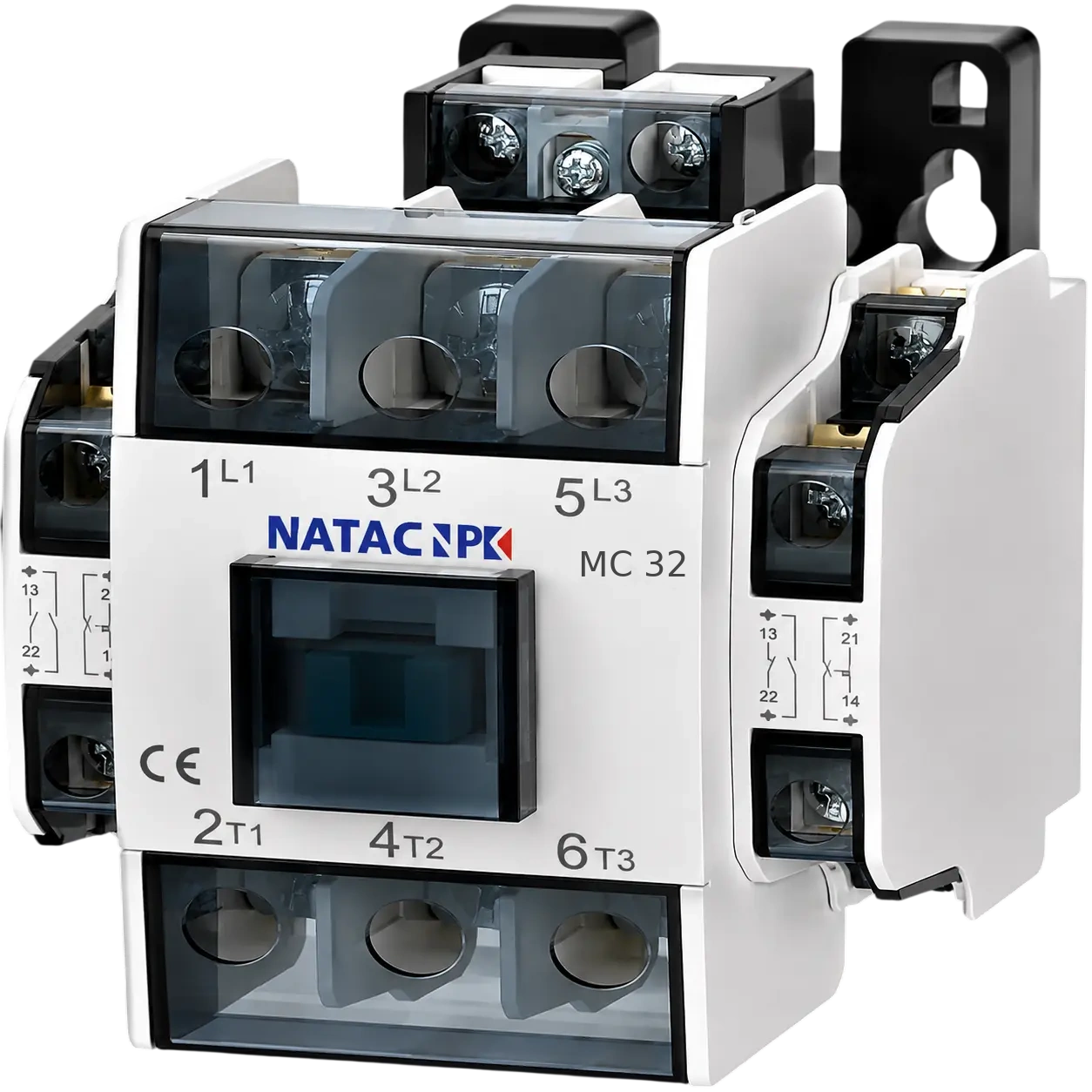
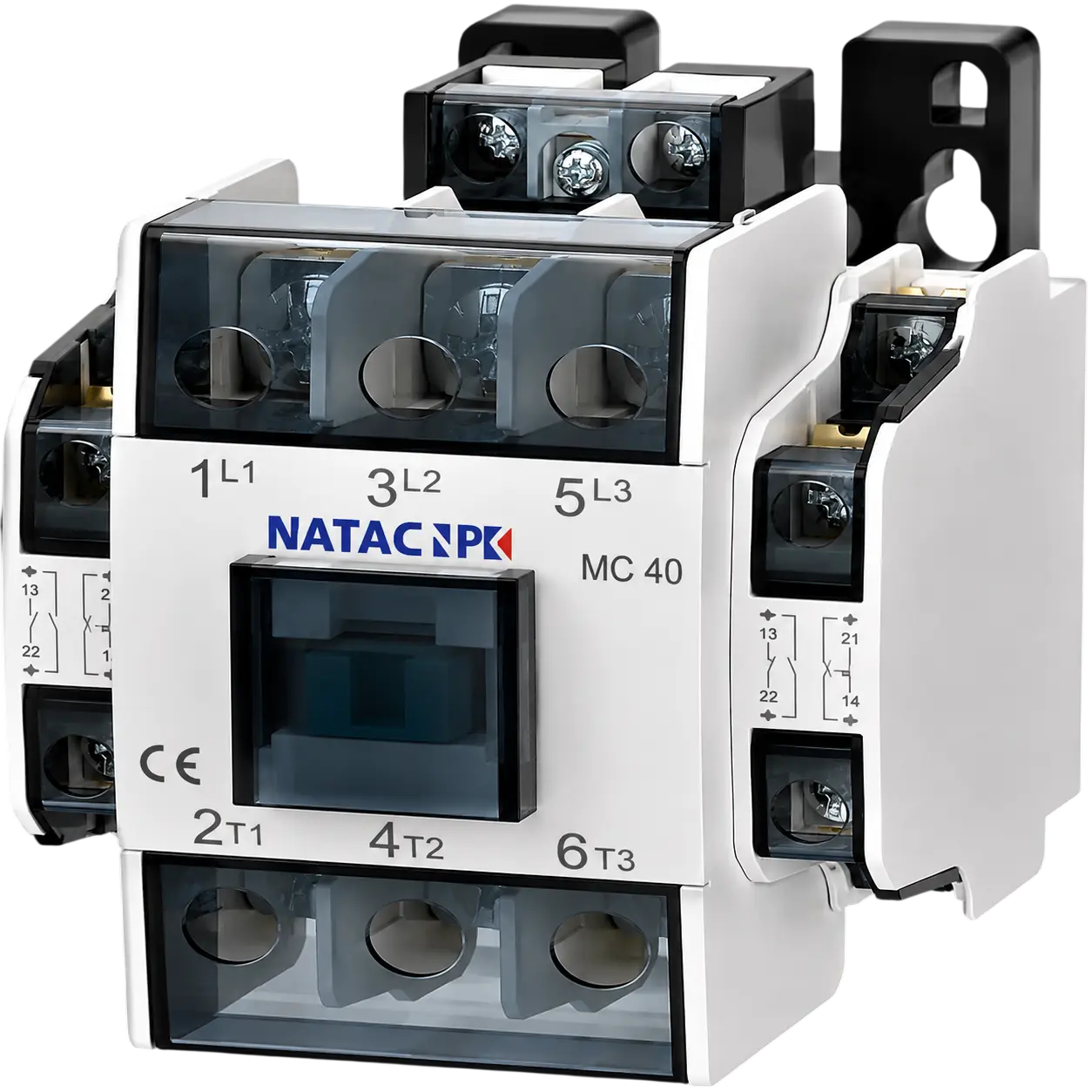
Shenzhen Nata lists MC-series magnetic contactors for motor control and related applications. Browse the product family, review how to select a magnetic contactor, or consult the magnetic contactor price guide for Pakistan. For commercial projects, request the current variant specifications, availability and carton/bulk quotation before ordering.
Frequently asked questions
Why is my magnetic contactor not pulling in?
Common causes include an open control circuit, missing or incorrect coil voltage, damaged coil, or mechanical failure. A qualified technician must verify the cause safely against the wiring diagram.
Can I replace an MC-22 with an MC-32 or MC-40?
Not based on model number alone. Confirm coil voltage, utilization category, load rating, dimensions, auxiliary contacts and protection coordination against the manufacturer's data.
Does a magnetic contactor protect a motor from overload?
No. A standard contactor switches the load; a properly selected overload protective device and short-circuit protection are normally required as part of the motor starter.
Why does a contactor keep chattering?
Possible reasons include unstable control voltage, an unsuitable coil, or mechanical wear. Repeated chattering should be investigated rather than ignored.
What information should I send when requesting a replacement?
Share the existing model, coil rating, motor nameplate, starter configuration, required contacts and quantity. Clear photos of labels help the supplier identify the appropriate variant.
Need magnetic contactors for your project?
Explore Shenzhen Nata's MC-series range and request current specifications, availability and pricing for Pakistan or international B2B supply.
View Magnetic Contactors Request a QuotationFurther reading: Magnetic contactor vs relay · MCCB circuit breakers · All electrical guides.